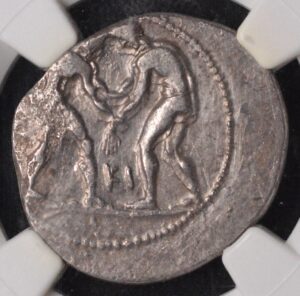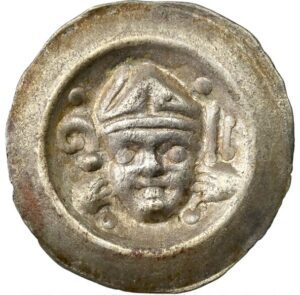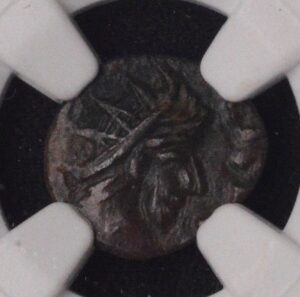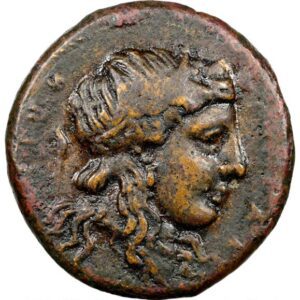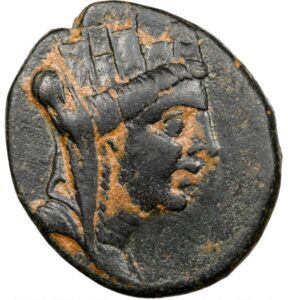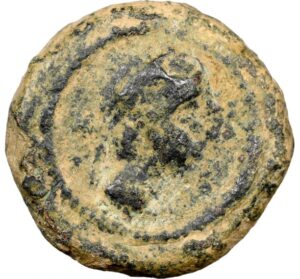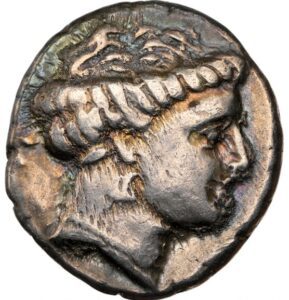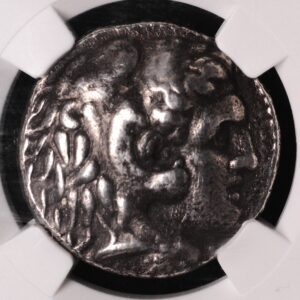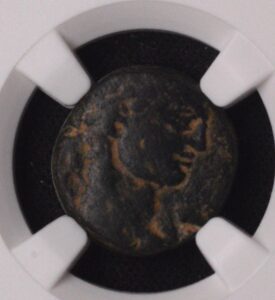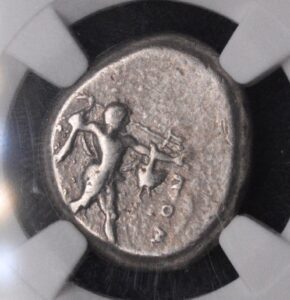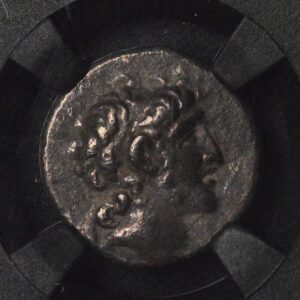

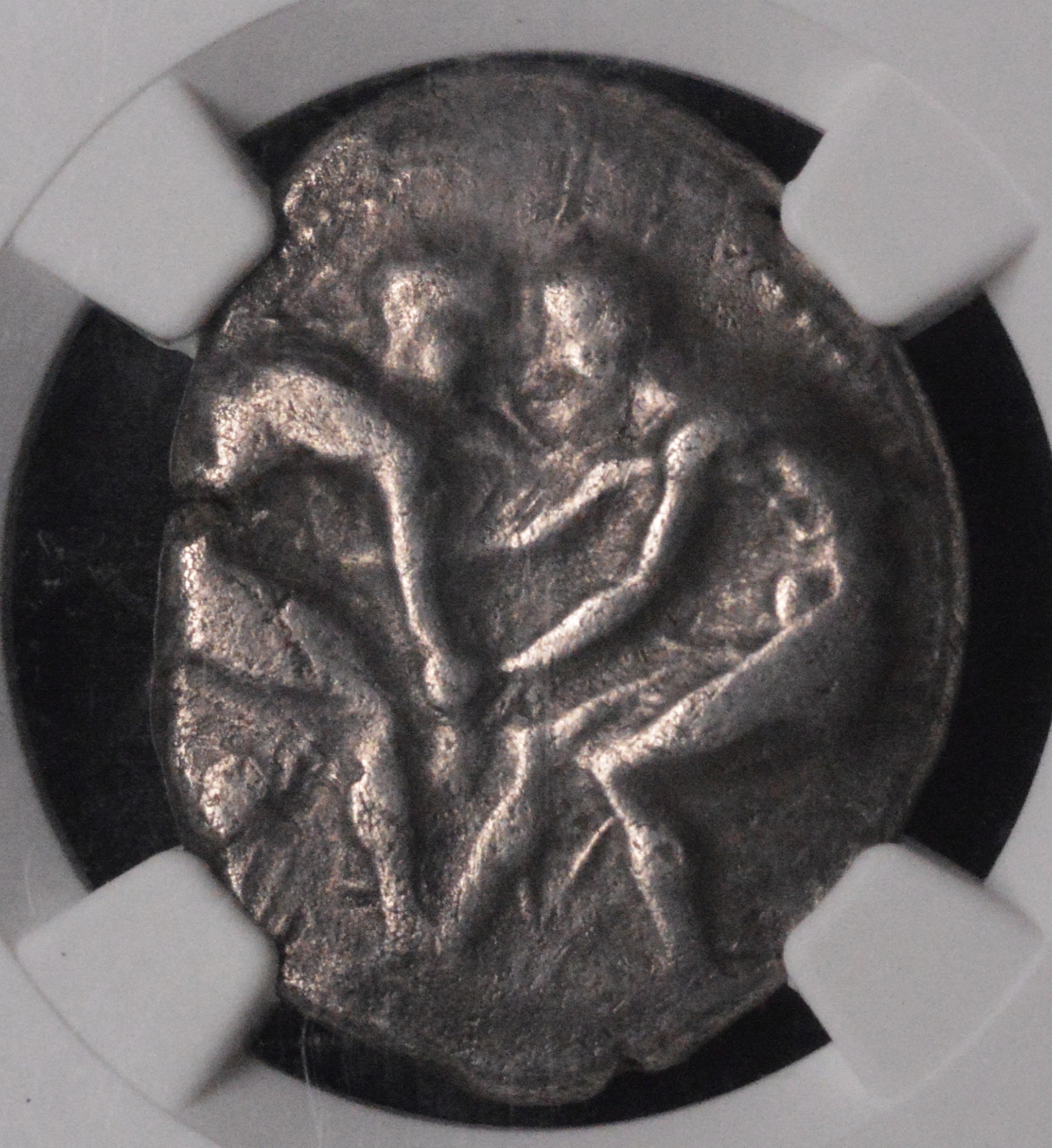
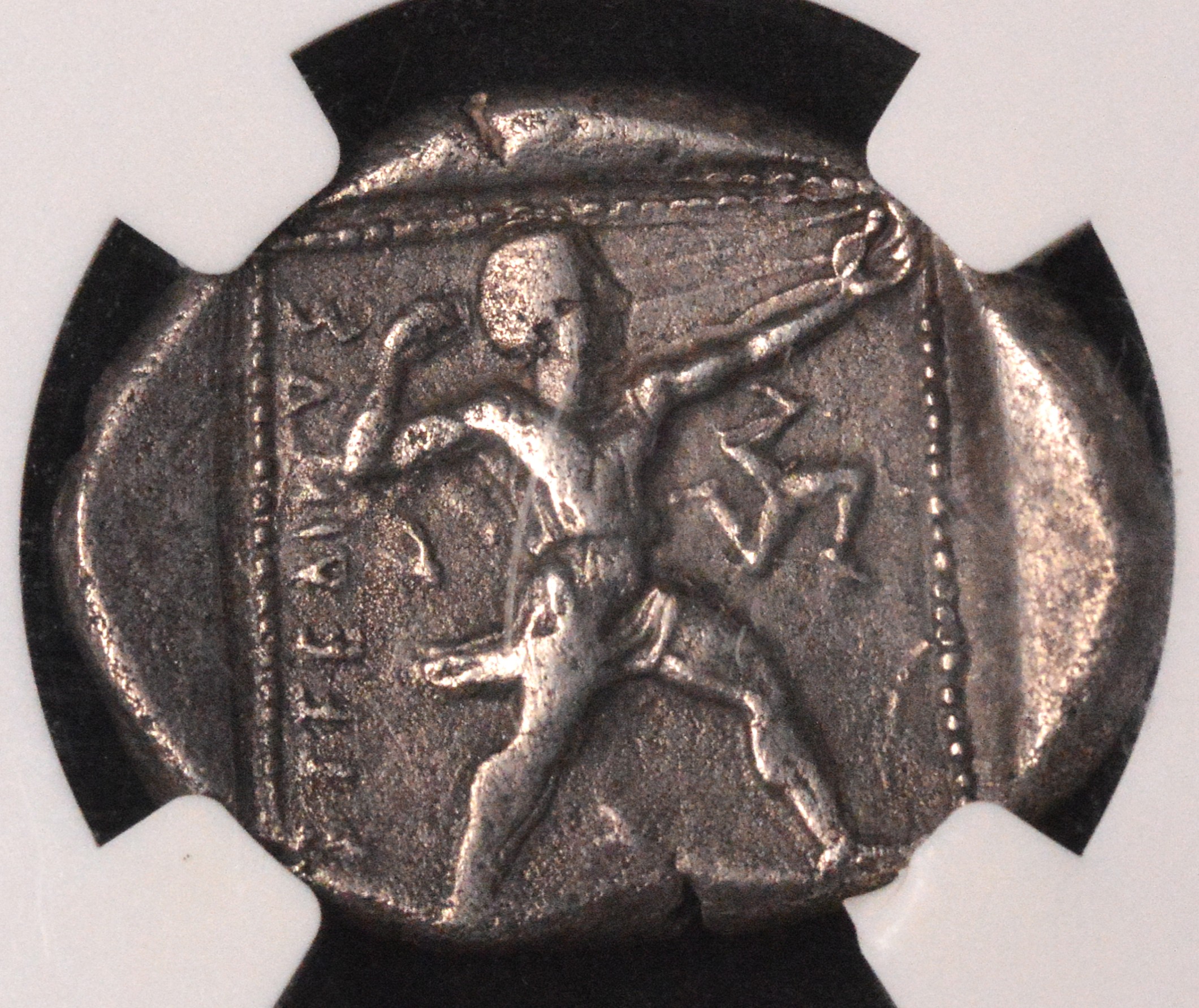
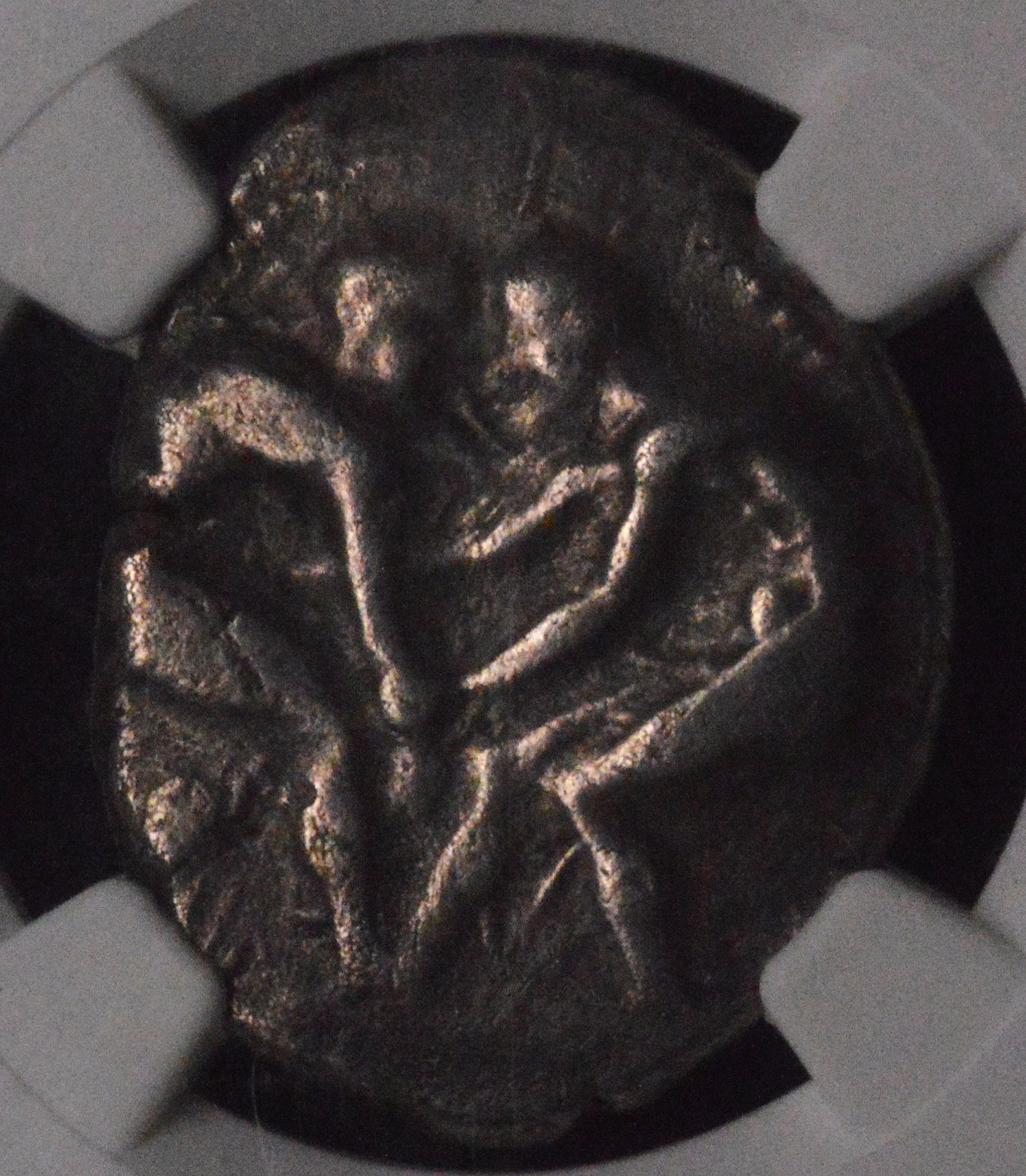
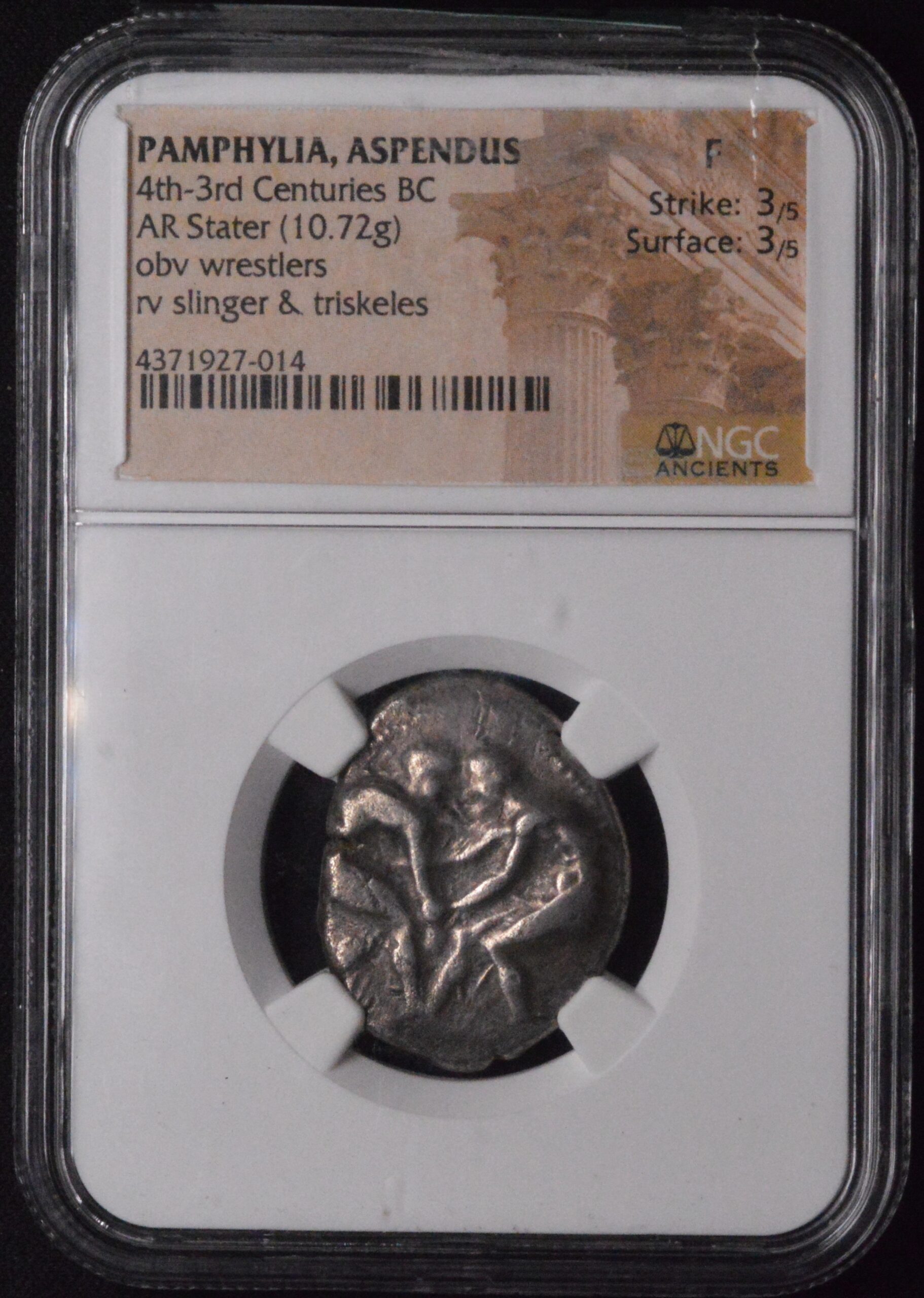
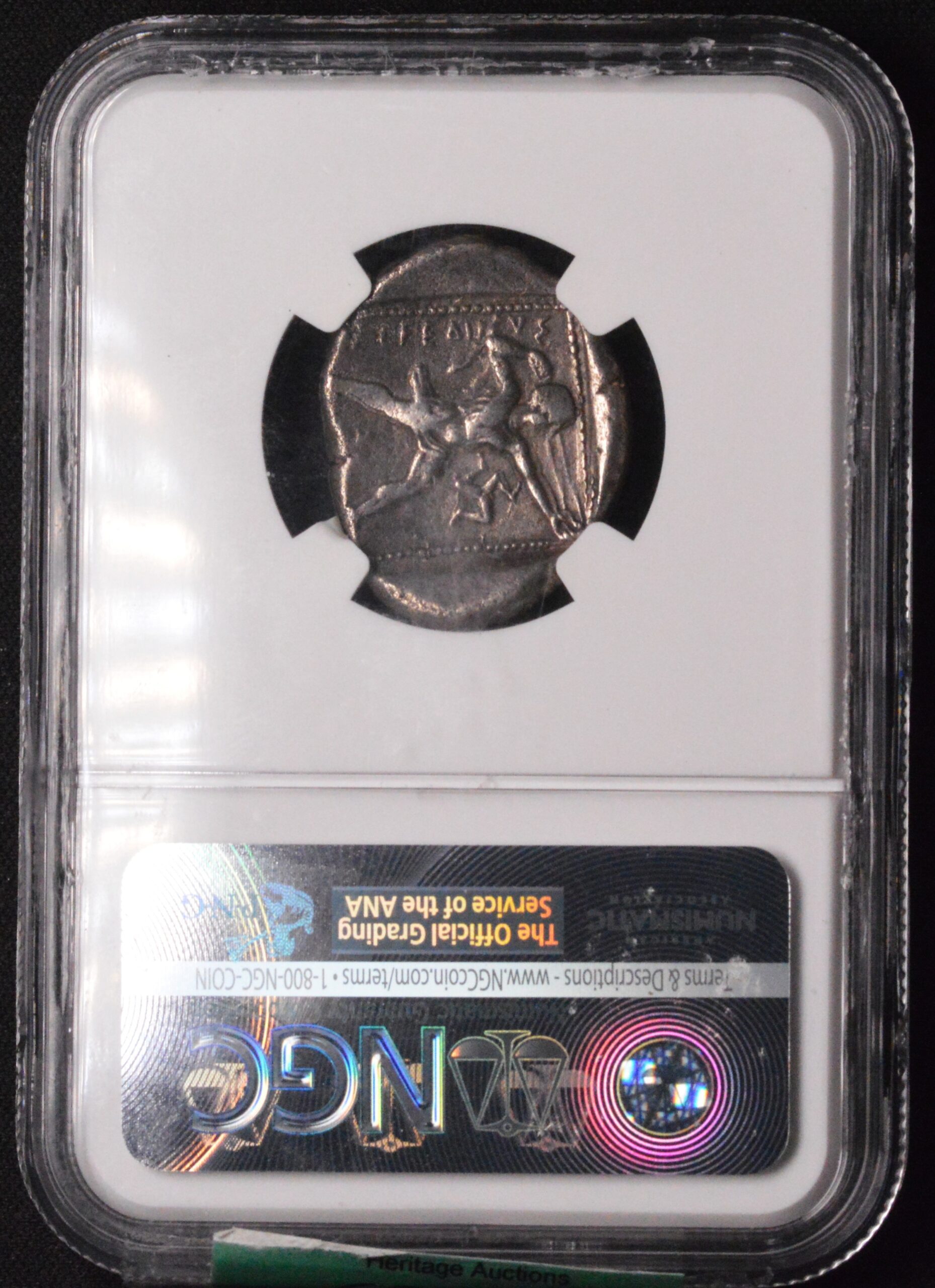
The Pamphylia Aspendus 4th-3rd century BC AR Stater is a highly collectible ancient Greek coin that offers a fascinating glimpse into the numismatic history of the region. Struck during a vibrant period of Greek history, this silver stater represents the economic and cultural significance of Aspendus, a prominent city in ancient Pamphylia. Its historical context adds to its allure for collectors and enthusiasts of ancient coinage.
This particular stater features a detailed design characteristic of the time, with intricate symbols and motifs that reflect the city’s identity and artistic craftsmanship. The coin’s condition is graded as Near Fine (NGC F), indicating clear details with minor signs of wear, making it a desirable piece for both historical study and collection. The coin’s weight and authenticity are confirmed by its grading, ensuring its value and provenance.
The obverse of the Aspendus stater typically displays a local deity or symbolic imagery associated with the city, while the reverse often features a dynamic design such as a hero, animal, or emblem. These artistic elements not only served as political or religious symbols but also helped establish the coin’s unique identity in ancient commerce. The craftsmanship on this coin exemplifies the skill of ancient minting techniques.
As a well-preserved example from the 4th-3rd century BC, this AR stater provides insight into the monetary system and artistic trends of ancient Pamphylia. Its historical significance is enhanced by its connection to the city of Aspendus, which played a vital role in regional trade networks. Collectors and historians value such coins for their rarity, artistry, and historical relevance.
In summary, the Pamphylia Aspendus 4th-3rd century BC AR Stater graded Near Fine by NGC is a remarkable piece of ancient Greek numismatics. Its authentic design, historical importance, and graded condition make it an excellent addition for collectors seeking to enrich their collection with a rare and culturally significant coin. This coin is a tangible link to the rich history of Pamphylia and the ancient Greek world.