


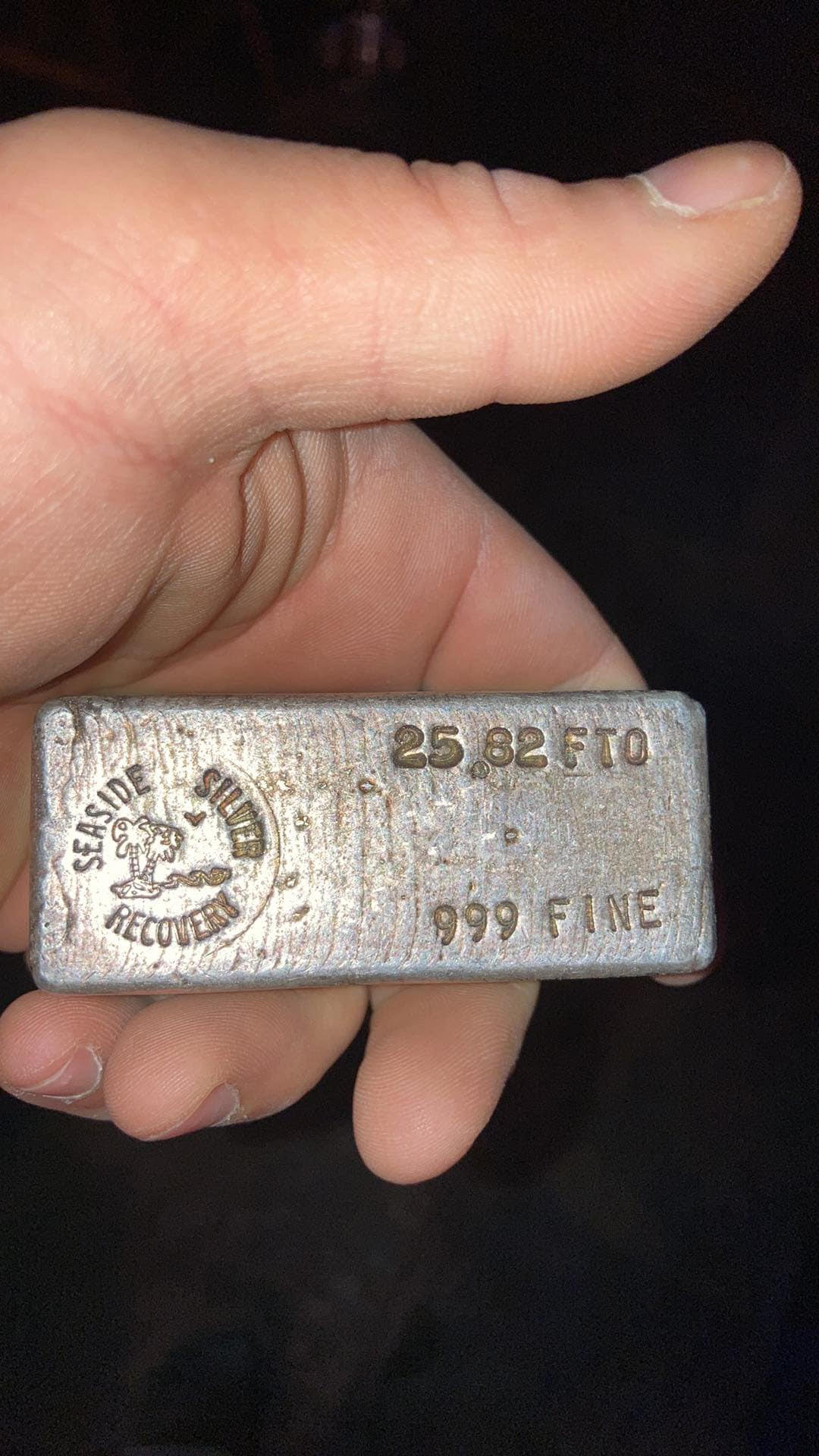
Hey man I really appreciate the bar and Great communication and awesome packaging look forward to more deals.
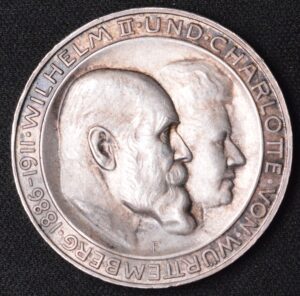
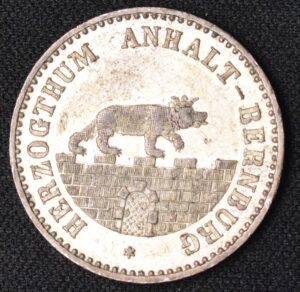
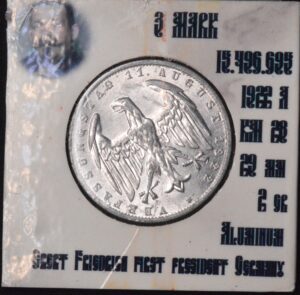
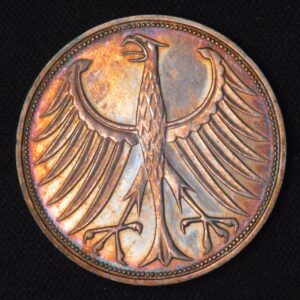
His selection of German coins especially the Max Planck coins were phenomenal.

Columbian was in Good condition, Satisfied Customer...

Great Coin seller, Great Seller Easy to work with, Highly Recommend!

Gold and silver are timeless assets that will always retain their value, serving as reliable stores of wealth and practical for everyday needs. I’ve relied on Jay's Coins for years because of their integrity, expertise, and exceptional service. They are undoubtedly my go-to source for purchasing precious metals, and I confidently recommend them to anyone looking to invest in assets with enduring and long term worth.

Glad you're back! Got that toned merc dime off you. Will be back for more. Great dealer.

He threw in a free coin! How cool!

Great service. Great Buffalo Nickel. Definitely undergraded and seller made a good deal to make it work!